Gemini AI Video Generator (Veo 3): The Future of AI-Powered Video Creation in 2025
Short summary: Google’s Gemini family now includes Veo 3 (and updates such as Veo 3.1) — a text-to-videomodel that produces short clips with native audio. This article explains what Veo 3 is, how it works, who should use it, up-to-date pricing, step-by-step usage, SEO & content tips, and the most common FAQs for creators and developers. (Official: Gemini video generation overview.)
Introduction — Why Veo 3 matters
Until recently, generative AI focused heavily on text and images. The next frontier is video — moving images plus realistic audio produced from prompts and photos. Google’s Veo 3 (integrated inside Gemini and offered via the Gemini API / Vertex AI) represents a practical leap: short, high-fidelity video clips created from plain-language descriptions or from reference images, with native audio and safety & provenance markers built in. For content creators, marketers, educators, and developers, Veo 3 enables new workflows: rapid prototyping of visual ideas, animated social posts, and programmatic video generation for apps and services.
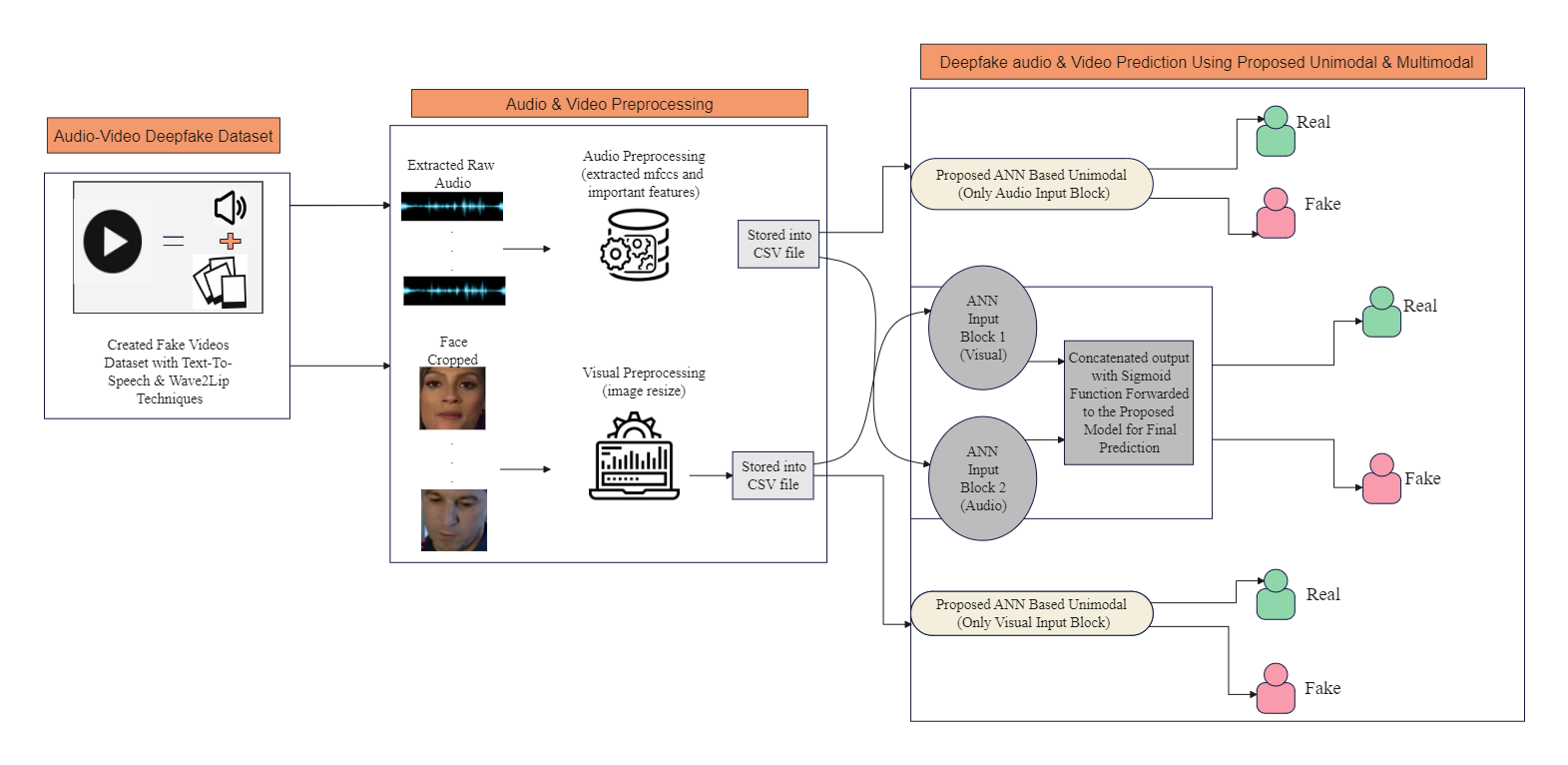
How Gemini Veo 3 converts text and photos into short AI videos
Title options (pick one for SEO)
- Gemini Veo 3 (2025) — The Complete Guide to Google’s Text-to-Video Model
- How to Use Gemini Veo 3: Features, Pricing & Examples
Use one of the H1 titles above for the post title and keep the alternate title as the meta-title or H2 inside the article to capture different search intents.
What is Veo 3? (Quick overview)
Veo 3 is Google’s state-of-the-art generative video model, available inside the Gemini experience and via developer APIs. It turns text prompts and up to a few reference images into short video clips, often including native audio (ambient sounds, effects, and even short dialogue). Google continues to iterate on Veo; incremental updates such as Veo 3.1 add editing tools, better audio, and scene extension capabilities.
Official overview and how-to are on Gemini’s video generation page.
Key features of Veo 3
1. Text-to-video generation
Write a clear prompt (scene description, motion, camera direction, and audio notes), and Veo will produce a short MP4-style clip. The generator is tuned to follow scene-level instructions and produce coherent motion and sound.
2. Photo-to-video (whisk/animate)
Upload a photo and ask Veo to animate specific elements (e.g., “make the clouds drift, the water ripple, and add distant seagull calls”). This turns stills into lively short clips suitable for social sharing.
3. Native audio generation
Veo generates audio that fits the visual scene — ambient noise, short music cues, sound effects, and basic spoken lines when requested — removing the need for separate sound design in quick demos.
4. Prompt-based iterative editing
Generate a clip, then refine the prompt to change lighting, motion, or camera framing. This iterative “prompt editing” workflow is effective for creators who want multiple variations quickly.
5. Safety, watermarking, and provenance
Google marks AI-generated outputs to signal provenance (visible watermarks + SynthID digital signatures), important for transparency and compliance. These measures help reduce malicious misuse but also shape commercial use choices.

Main features of Gemini Veo 3 including text-to-video, photo animation, and native audio generation
Who should use Veo 3? (Top use cases)
- Social media creators — Make rapid, eye-catching clips for TikTok, Instagram Reels, and YouTube Shorts.
- Marketers & advertisers — Produce short ad teasers, product motion shots, or animated banners.
- Educators — Create quick visual explanations or micro-lessons that pair motion and narration.
- App & web developers — Generate on-demand preview clips or demo animations inside apps via API.
- Photographers & travel bloggers — Animate still photographs for more engaging posts.
Pricing & Plans (Up-to-date reference)
Summary (developer & consumer routes): Veo 3 is available through two broad access paths: (A) consumer/subscription access inside Gemini (Google AI Pro / Google AI Ultra tiers), and (B) programmatic access via the Gemini API / Vertex AI with per-second pricing for video + audio outputs. Below is a quick reference table with commonly seen numbers — verify region/plan before purchase.
| Access route | Example price / limit | Notes |
|---|---|---|
| Gemini consumer (Google AI Pro) | Example: ~$19.99 / month (varies by region & bundle) | Gemini app features, limited short video generation credits and Flow editing. See Google AI plans. |
| Google AI Ultra (power users) | Example: higher-tier monthly pricing (region-dependent; sample enterprise tiers reach hundreds/month) | Largest limits, priority access to the most capable models and preview features like Veo 3.1. |
| Gemini API — Veo 3 (developer) | ~$0.75 per second (video + audio output) | Official developer announcement lists per-second pricing for Veo 3 in the Gemini API. An 8s clip ≈ $6.00. |
| Gemini API — Veo 3 Fast (lower-cost variant) | Lower per-second pricing (fast option; availability rolling) | Faster and lower-cost alternative for high-volume work; availability and exact rates vary over time. |
Practical example: If Veo 3 is $0.75/s, an 8-second social clip costs approximately $6.00 via API. If you expect to generate thousands of clips, Fast variants and caching strategies substantially reduce per-minute costs when available.
How to use Veo 3 — step-by-step (Gemini app & API)
Using the Gemini app (consumer flow)
- Open the Gemini app (mobile or web) and sign in to your Google account. (If you don’t see the video option, check the three-dot menu or your subscription status.)
- Tap the Video button in the prompt bar, or choose the Photo→Animate workflow to start from an image.
- Write a clear prompt describing the scene: setting, actions, motion, camera moves, mood, and audio cues (e.g., “Sunset on a crowded beach, slow pan left, soft waves and distant seagulls, 8s”).
- Generate, review, and iterate. Use variations until satisfied.
- Download MP4 or share directly to social platforms (watch for watermark & SynthID metadata).
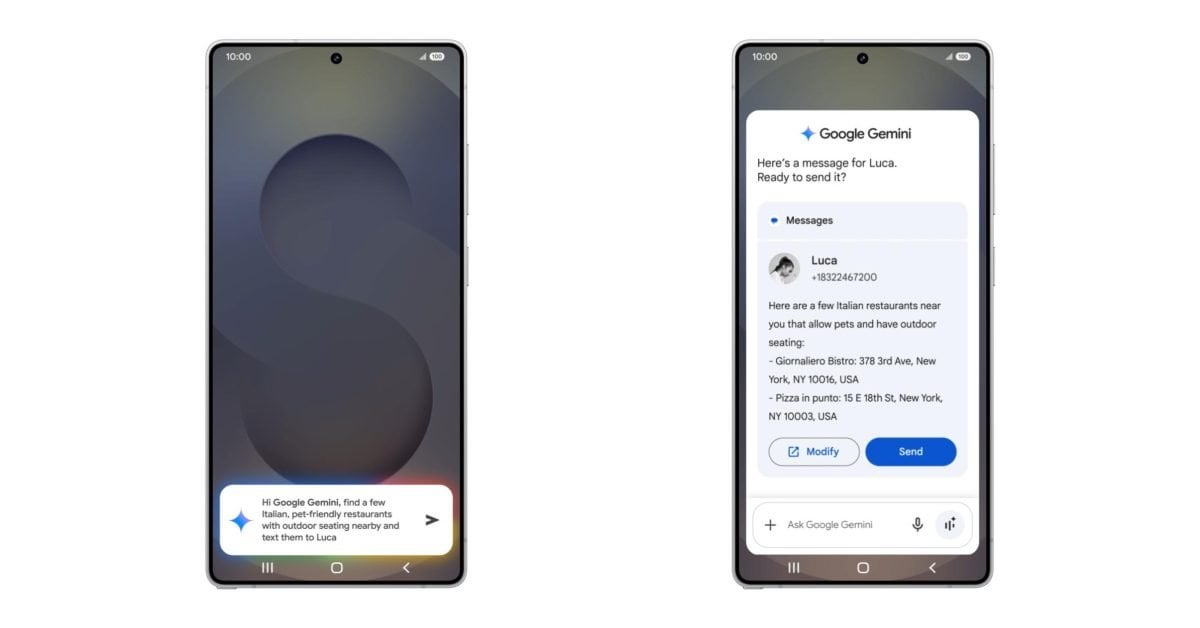
How to generate video clips using Gemini Veo 3 app step-by-step guide
Using the Gemini API / Vertex AI (developer flow)
Programmatic generation is ideal for automated pipelines, scaled content, or back-end services:
- Sign up for the Gemini API / Vertex AI access and check quotas & billing. (API docs at Google Developers.)
- Call the Veo endpoint with a prompt and optional images. Configure duration, seed & style parameters per the API guide.
- Pay per-second costs (Veo 3 per-second pricing) and implement caching to avoid re-generating identical clips.
- Streamline: generate thumbnails, transcode to your delivery bitrate, and add platform-specific metadata before publishing.
Best practices — prompts, editing & quality control
- Write precise prompts: include camera moves (pan/tilt), duration (8s), and audio hints (“soft piano, rain patter”).
- Use reference images: one to three images can anchor style, color palette, or composition.
- Iterate in small steps: change one variable at a time (lighting, then motion, then audio) so you can track how prompts affect output.
- Post-process for polish: color-correct, add music beds, or replace AI dialog with voiceover for professional use.
- Respect provenance: include AI disclosure in descriptions and respect watermark / SynthID requirements when publishing commercially.
Example of Gemini Veo 3 prompt engineering and iterative editing workflow
Limitations, risks & ethical considerations
Veo 3 is powerful but not perfect. Common limitations: short max durations (though extensions are being introduced), occasional visual artifacts, and the need for human review to avoid misleading or copyrighted content. Ethical risks include impersonation, deepfakes, and content that may infringe intellectual property — Google’s policies and watermarking mechanisms mitigate but do not eliminate these risks. Always review generated content before publishing.
Google documents support and rollout details on the Gemini support site.
SEO & distribution tips for your Veo clips
- Optimize title & description: Use long-tail keywords such as “Gemini Veo 3 tutorial” or “text to video Gemini Veo 3”.
- Include a short transcript: Indexable text improves discoverability for shorts and social platforms.
- Host original MP4s on CDN: Fast delivery helps watch-through rates and engagement metrics.
- Publish behind a blog post: Embed the video inside a long-form article (like this one) and add context, timestamps, and a call-to-action.
Price comparison quick table (developer vs consumer)
| Route | Typical cost (example) | Good for |
|---|---|---|
| Gemini App (Google AI Pro) | ~$19.99 / month (varies by region) | Casual creators who want UI-based generation |
| Gemini API – Veo 3 | ~$0.75 per second → 8s ≈ $6.00 | Developers, apps, and programmatic generation |
| Gemini API – Veo 3 Fast | Lower per-second cost (availability rolling) | High-volume automated use |
Always check the official pricing page and your billing dashboard to confirm the current numbers before large-scale usage.
Examples & content ideas
- Quick brand teaser: 8s product motion with callout text overlays.
- Before/after photo animation for travel blog posts.
- Micro-explainers: short concept animation with synchronized audio cues.
- App previews: quick UI motion demonstrating a feature in 6–10s.
Internal link placeholders (replace with your own article URLs)
Frequently Asked Questions (FAQs)
Q1: What is the maximum length of videos Veo 3 can generate?
A: Historically, Gemini’s video outputs were short (around 8 seconds). Google has been rolling out extensions and tools (Veo versions like 3.1) that expand capabilities; check the API docs and Gemini announcements for the current maximum durations.
Q2: How much does it cost to generate a video with Veo 3?
A: Developer pricing for Veo 3 has been published as a per-second cost on the Gemini API; example announcements list Veo 3 at approximately $0.75 per second (resulting in about $6 for an 8s clip). Consumer subscription routes (Google AI Pro/Ultra) use different pricing models and monthly fees. Always verify current numbers on the official pricing pages.
Q3: Are the videos watermarked or labeled as AI-generated?
A: Yes — Google uses visible watermarking and internal provenance tags (such as SynthID) to mark AI-generated media and help with responsible disclosure.
Q4: Can I use Veo-generated clips commercially?
A: Commercial use is possible but must follow Google’s terms, copyright law, and platform rules. Remove copyrighted materials from prompts (or secure rights) and comply with any watermark/provenance requirements where applicable.
Q5: How can I reduce costs when using the API?
A: Use caching for repeat prompts, favor Veo 3 Fast (when available), batch generation intelligently, and transcode to lower bitrates for distribution if the platform allows it. Also consider mixing generative frames with stock or pre-rendered assets to lower per-second generation needs.
Conclusion & call-to-action
Gemini’s Veo 3 family is a significant step in making video generation practical for creators and developers. For quick social posts, marketing teasers, or app previews, Veo provides an efficient workflow — but it requires careful prompt engineering, ethical awareness, and cost planning. If you’re experimenting, start small (single 8s clips), iterate on prompts, and gradually scale once you’re satisfied with quality and budget.
Try it now: Visit the official Gemini video generation overview to learn more and test the feature in the Gemini app: https://gemini.google/overview/video-generation/. For developers, read the Gemini API video docs and the Veo announcement for exact API parameters and current per-second pricing.
Feedback:
Apne Gemini Veo 3 ka experience share Karein.
Kaunsi Feature aapko sabse zyada pasand aayi aur koi challenge face kiya? Aapke suggestions Hamare bahut valuable Hain!